industries
/
Healthcare

Counter Threat Operations for Healthcare’s Critical Third-Party Ecosystem

AI-native managed platform that detects active threats across your third-party ecosystem and drives response to improve outcomes.
192.7 million

Individuals affected by the Change Healthcare breach

HIPAA
74%

of healthcare organizations reported third-party breach impacts within the prior two years

KLAS Research / EY, 2025
TAG 2025
Telecom Risk ExtendsBeyond the Enterprise

Healthcare Risk Extends Beyond Your Walls

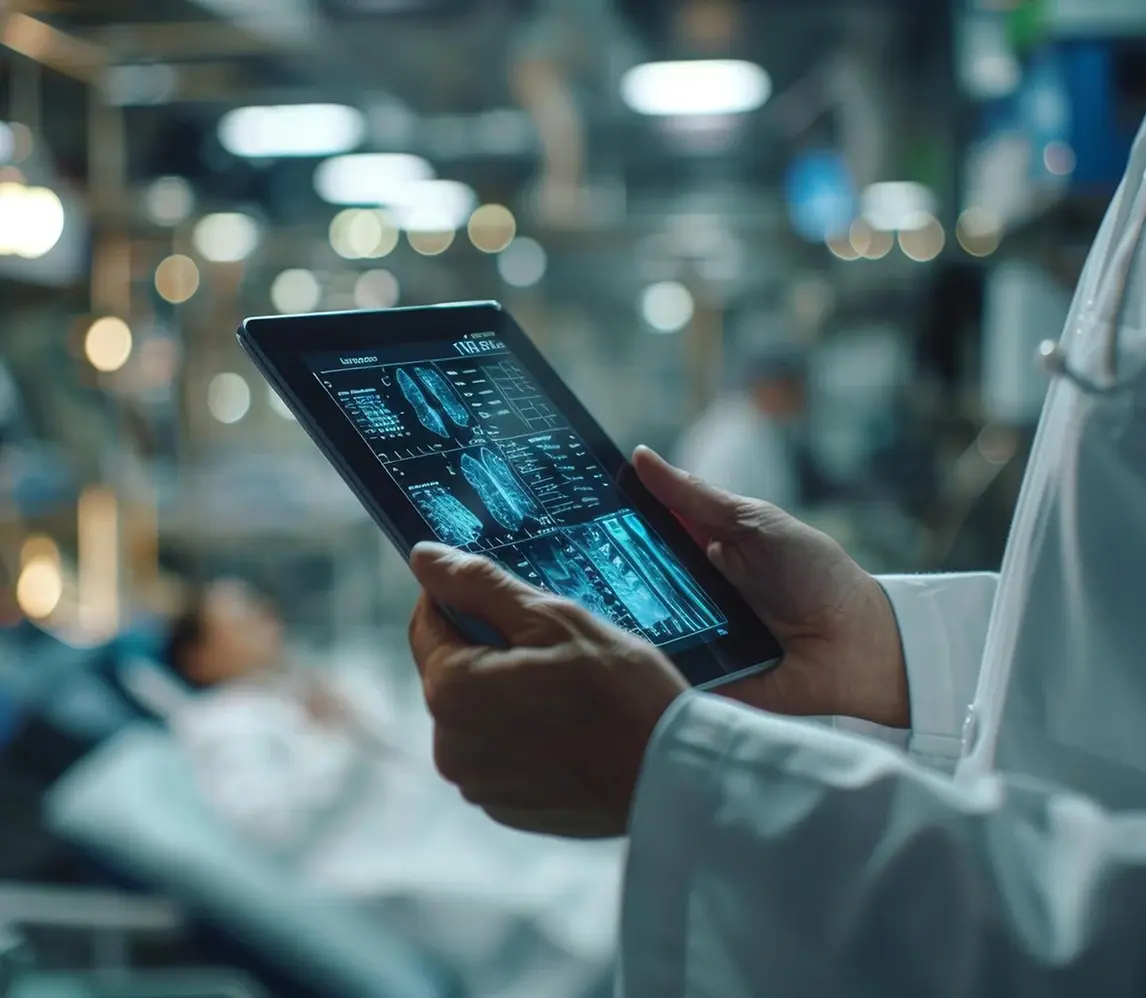
Patient care depends on services you don’t control. Clinical software, laboratories, pharmacies, and claims processors all play a role in keeping care moving.

When one of those partners is compromised, the impact can reach your patients, disrupting critical care, exposing sensitive data, and delaying payments.

iCOUNTER’s Counter Threat Operating System (CTOS™) continuously detects active threats across your third-party ecosystem, determines which ones matter to you, and drives remediation to help protect care delivery.

Why Healthcare Faces a Different Kind of Risk

In healthcare, third-party risk can affect patient data, clinical workflows, and access to lifesaving care. Prioritizing threats means understanding which dependencies matter most, and what disruption could mean for patients.

Third Parties Are Part of the Network

Patient Care Depends on Connected Services

Clinical software, laboratories, and pharmacy partners support diagnosis and treatment. Disruption at a critical provider can delay care when patients need it most.

Critical Dependencies Cross Borders

Patient Information Travels with the Care Journey

Patient information moves among providers, laboratories, pharmacies, and billing partners. Each relationship extends sensitive data beyond the systems your healthcare organization directly controls.

Risk Changes Faster Than Assessments

Shared Providers Connect Clinical and Financial Operations

A single clearinghouse or pharmacy services provider can support many healthcare organizations. One attack can disrupt treatment authorizations, prescriptions, and payments across the care ecosystem.

Assessment Measures Posture.
Operations Need Active Threat Detection.

Critical Services Cannot Be Easily Switched

Replacing a clinical platform or diagnostic partner takes time and coordination. When a vendor faces an active threat, healthcare teams must address the exposure while keeping essential patient services running.

Actionable Intelligence
for Healthcare

CTOS continuously collects and correlates intelligence against your organization and third-party dependencies to determine which threats matter and what needs to happen next.

green-tick

Adversary-Centric

Understand who is targeting your healthcare ecosystem, how they operate, and which third parties are in their path.

green-tick

Organization-Specific

Determine which threats matter based on your vendors, exposure, and dependencies across clinical and business operations.

green-tick

Built for Remediation

Equip teams with the evidence and context needed to coordinate remediation with affected third parties.

Intelligence Built for Action

From Threat Detection to Remediation

COLLECT

COLLECT

Continuously collect intelligence across adversary infrastructure, compromise activity, exposed credentials, dark web sources, and the third-party ecosystem.

arrow
DETERMINE

DETERMINE

Correlate signals with your organization and third-party relationships to determine which threats represent meaningful risk.

arrow
PRIORITIZE

PRIORITIZE

Evaluate active threats by exploitability, blast radius, and business relevance. In telecom, that blast radius can extend beyond corporate systems to network operations and service availability.

arrow
REMEDIATE

REMEDIATE

Provide teams with the evidence and context needed to remediate active threats across the supply chain.

Know What Matters.
Keep Care Moving.

green-tick

Identify Threats Across Your Care Ecosystem

Know which clinical software vendors, diagnostic partners, and service providers face active threats, and where that activity creates exposure for you.
green-tick

Prioritize the Dependencies That Keep Care Moving

Focus on threats involving services that support timely diagnosis, treatment, and medication access, informed by their importance to your care delivery.
green-tick

Understand Exposure Beyond Your Patient Records

Identify threats involving partners that handle patient information across referrals, testing, prescriptions, and billing.
green-tick

Coordinate Vendor Response with Care Continuity in Mind

Give teams the evidence needed to work with affected vendors on remediation while accounting for essential clinical services.
green-tick

Connect Threat Intelligence to Healthcare Decisions

Give security, risk, and healthcare leadership a shared view of affected partners, potential operational consequences, and remediation progress.
green-tick

Extend Visibility Across Facilities and Partners
Maintain continuous threat visibility across the third-party services supporting your hospitals, clinics, and care locations.
Banner

How does iCOUNTER help healthcare organizations identify threats across their third-party ecosystem?

CTOS continuously collects and correlates intelligence on adversary activity, compromise signals, exposed credentials, and third-party threats. It relates those signals to your organization’s vendors and dependencies to identify meaningful risk and provide context for action.

Which healthcare third-party relationships are relevant to CTOS?

Relevant relationships can include clinical software vendors, laboratories, pharmacy service providers, claims processors, cloud providers, and managed service providers. The focus is on understanding threats involving the third parties your organization relies on and the consequences of their exposure.

How does CTOS help prioritize threats that could affect care delivery?

CTOS evaluates active threats by exploitability, blast radius, and relevance to your organization. In healthcare, that context includes dependencies supporting patient services, clinical workflows, sensitive information, and business operations, helping teams focus on threats with the greatest potential impact.

How does CTOS support remediation with third parties?

CTOS provides evidence and context to help teams validate exposure, understand the threat, and coordinate remediation with affected third parties. This gives security and risk teams a clearer basis for action and follow-up.

How is CTOS different from security ratings and questionnaire-based assessments?

Ratings and questionnaires help assess a third party’s security posture. CTOS adds an operational view of active threats: who is being targeted, which activity matters to your organization, and what needs to happen next. That intelligence complements periodic assessments with ongoing threat detection and remediation context.

Does CTOS replace our third-party risk management program?

CTOS complements your existing program by adding continuous intelligence about active threats across your third-party ecosystem. Assessments and governance processes help evaluate vendor risk; CTOS helps security and risk teams identify and respond to threat activity involving those relationships.

Resources for Healthcare Security Professionals

Lessons Learned from 3 Third-Party Cyber Incidents and What CISOs Can Do
Read more
Decorative arrow icon
The First 90 Days: A Practical Plan for Rebuilding Third-Party Risk
Read more
Decorative arrow icon
An A Rating Will Not Tell You a Vendor Is Being Targeted
Read more
Decorative arrow icon