
U.S. telecom and internet service providers breached in the Salt Typhoon campaign, according to the FCC.
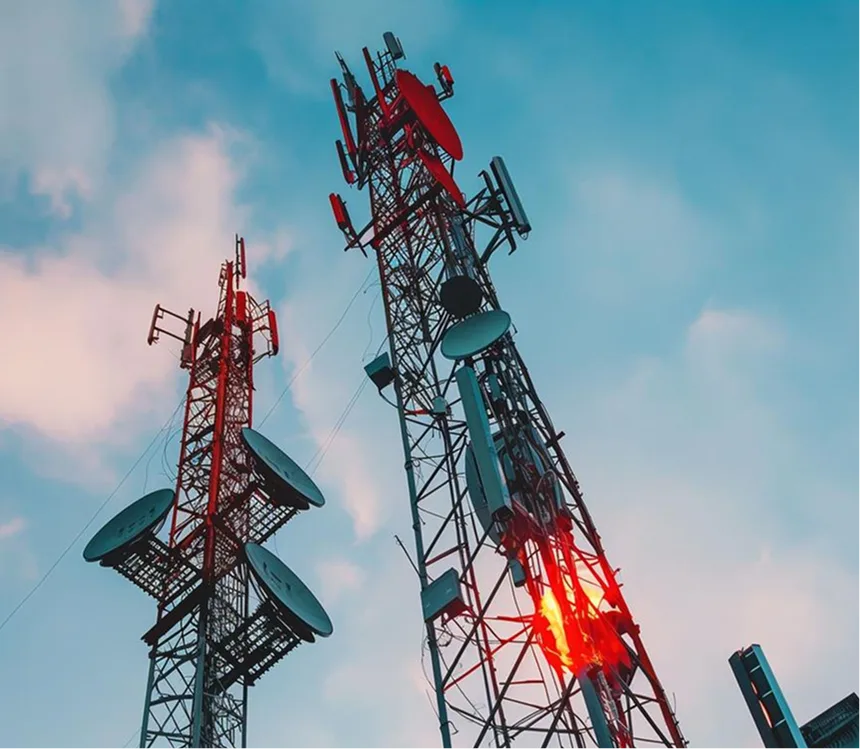
Telecom Risk Extends
Beyond the Enterprise
Telecommunications providers are part of the critical infrastructure that businesses, government, healthcare, public safety, and consumers depend on every day.
That dependency extends across a vast third-party ecosystem. Network equipment, software, cloud providers, managed services, and other third-party technology can be embedded throughout the network and directly into service delivery.
When one of those dependencies is targeted or compromised, the impact can extend beyond corporate systems to network operations, service availability, and the organizations and customers that rely on them.
iCOUNTER ’s Counter Threat Operating System (CTOS™) continuously collects intelligence across your third-party ecosystem to detect active attacks, determine which ones matter to your organization, and drive remediation before they impact critical networks and services.
Why Telecom Faces a Different Kind of Risk

Third Parties Are Part of the Network
Modern telecom environments depend on equipment, software, cloud infrastructure, and services from multiple vendors. Third-party exposure can quickly become network exposure.

Critical Dependencies Cross Borders
Telecom networks can depend heavily on equipment and software from foreign suppliers. Understanding the adversaries targeting those suppliers adds critical context to risk decisions.

Risk Changes Faster Than Assessments
Questionnaires and point-in-time assessments show what was true when they were completed. Threat activity across thousands of suppliers can change every day.

Assessment Measures Posture.
Operations Need Active Threat Detection.
Your TPRM program answers a governance question: Is their security acceptable? Adversaries answer an operational question: What can I compromise today? That gap is the blind spot CTOS closes.
Intelligence Built for Action
CTOS continuously collects and correlates intelligence against your
organization and third-party dependencies to determine which threats
matter and what needs to happen next.

Adversary-Centric
Understand who is targeting your ecosystem and how they operate.
Organization-Specific
Determine which threats matter based on your vendors, dependencies,
and exposure.
Built for Remediation
Provide the evidence and context needed to drive remediation across
affected third parties.
From Threat Detection to Remediation

COLLECT
Continuously collect intelligence across adversary infrastructure, compromise activity, exposed credentials, dark web sources, and the third-party ecosystem.


DETERMINE
Correlate signals with your organization and third-party relationships to determine which threats represent meaningful risk.

PRIORITIZE
Evaluate active threats by exploitability, blast radius, and business relevance. In telecom, that blast radius can extend beyond corporate systems to network operations and service availability.

REMEDIATE
Provide teams with the evidence and context needed to remediate active threats across the supply chain.
Know What Matters.
Know What to Do Next.
Identify Active Threats Across Your Telecom Ecosystem
Prioritize Risk Based on Network and Service Criticality
Coordinate Remediation with Affected Third Parties
Give Security, Risk, and Leadership a Shared View of Risk They Can Act On
Scale Across Complex Telecom Supply Chains without Adding Headcount

Frequently Asked Questions
How does iCOUNTER help telecom operators identify threats across their third-party ecosystem?
For telecom operators, this provides visibility beyond corporate systems into third-party dependencies that can affect network operations, service availability, customer data, and critical infrastructure.
Can CTOS identify risk involving foreign network equipment vendors?
This is particularly important in telecom, where third-party technology can be deeply integrated into networks and service delivery. Risk involving a critical supplier can extend beyond traditional corporate systems to network operations and the services customers and organizations depend on.
What telecom threats can iCOUNTER help security teams address?
For telecom organizations, that can include threats involving network equipment vendors, software providers, cloud infrastructure, managed service providers, and other third parties connected to network operations and service delivery. CTOS helps teams evaluate those threats based on factors such as exploitability, blast radius, and business relevance so they can focus on what matters most.
How quickly can CTOS be deployed?
Because CTOS does not require a complex technology integration before intelligence collection begins, teams can start gaining visibility into active threats while expanding coverage as needed.
Does CTOS integrate with existing security tools and workflows?
CTOS adds an operational view of active threats across the third-party ecosystem, helping security, risk, and leadership teams understand which third parties are affected, why the threat matters to their organization, and what requires attention. Existing systems of record can continue to serve their established purpose while CTOS provides intelligence on active threats and changing conditions.
How is CTOS different from security ratings and questionnaire-based approaches?
CTOS continuously collects threat intelligence and correlates it against your organization, vendors, and dependencies. Instead of providing another static score, CTOS helps determine which active threats matter based on factors such as exploitability, blast radius, and business relevance, then provides the evidence and context needed to prioritize and remediate them.
For telecom organizations, that distinction is especially important because third-party technology can be embedded throughout the network and service-delivery chain, where changing risk can affect critical infrastructure and services that must remain available 24/7.
We already have a TPRM tool and threat intelligence feeds. Why do we need to add CTOS?
CTOS complements these existing tools rather than replacing them. TPRM helps you understand posture, threat intelligence provides visibility into the broader threat landcape, and CTOS determines which active threats matter to your organization, and drives remediation across your affected third-party ecosystem.
What does “active threat” mean in a telecom third-party ecosystem?
CTOS correlates threat signals with enterprise and third-party context to help distinguish broad exposure from threats that have meaningful operational relevance. For telecom teams, that context helps determine whether activity involving a supplier or technology dependency could affect network operations, customer data, service availability, and other critical functions.

%201.avif)


.avif)